Tree Surveys in Ceredigion: What to Expect from a BS5837 Survey
This is a subtitle for your new post
Tree Surveys in Ceredigion: What to Expect from a BS5837 Survey
Whether you're a homeowner dealing with an insurer's request, a developer preparing a planning application, or a landowner who just wants to know the condition of the trees on their site, a professional tree survey is usually the starting point. Here's what's involved, and how to know which type you need.
Two kinds of tree safety survey
Not every survey needs to be the same level of detail, and it's worth knowing the difference before you commission one.
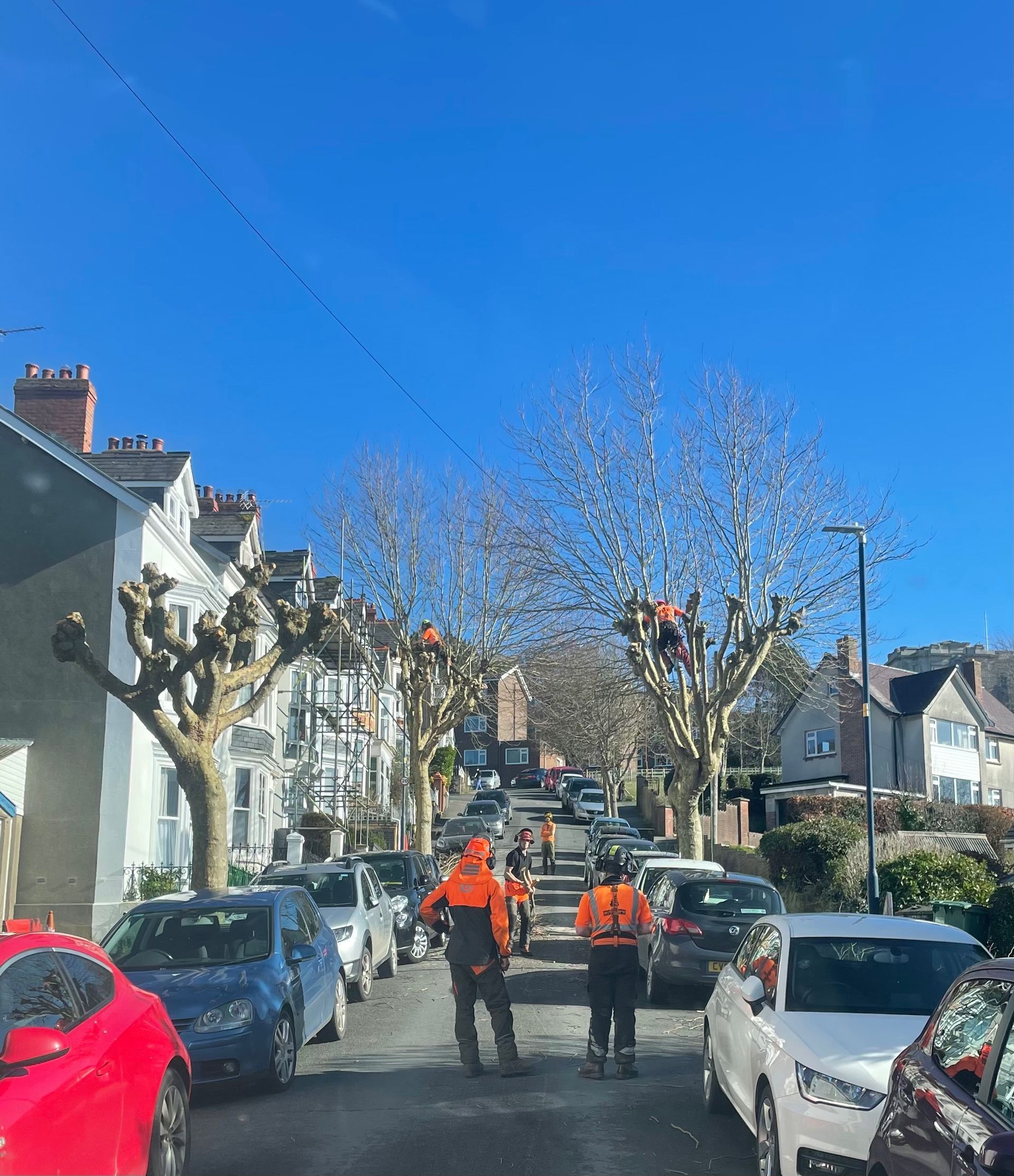
A Walk-by Survey is the lighter-touch option — carried out while walking, typically along a public footway for street trees, to pick up obvious and serious above-ground defects from that vantage point. It doesn't involve walking around each individual tree, so it's suited to situations where a general overview is what's needed, such as routine safety checks across a large number of roadside or amenity trees.
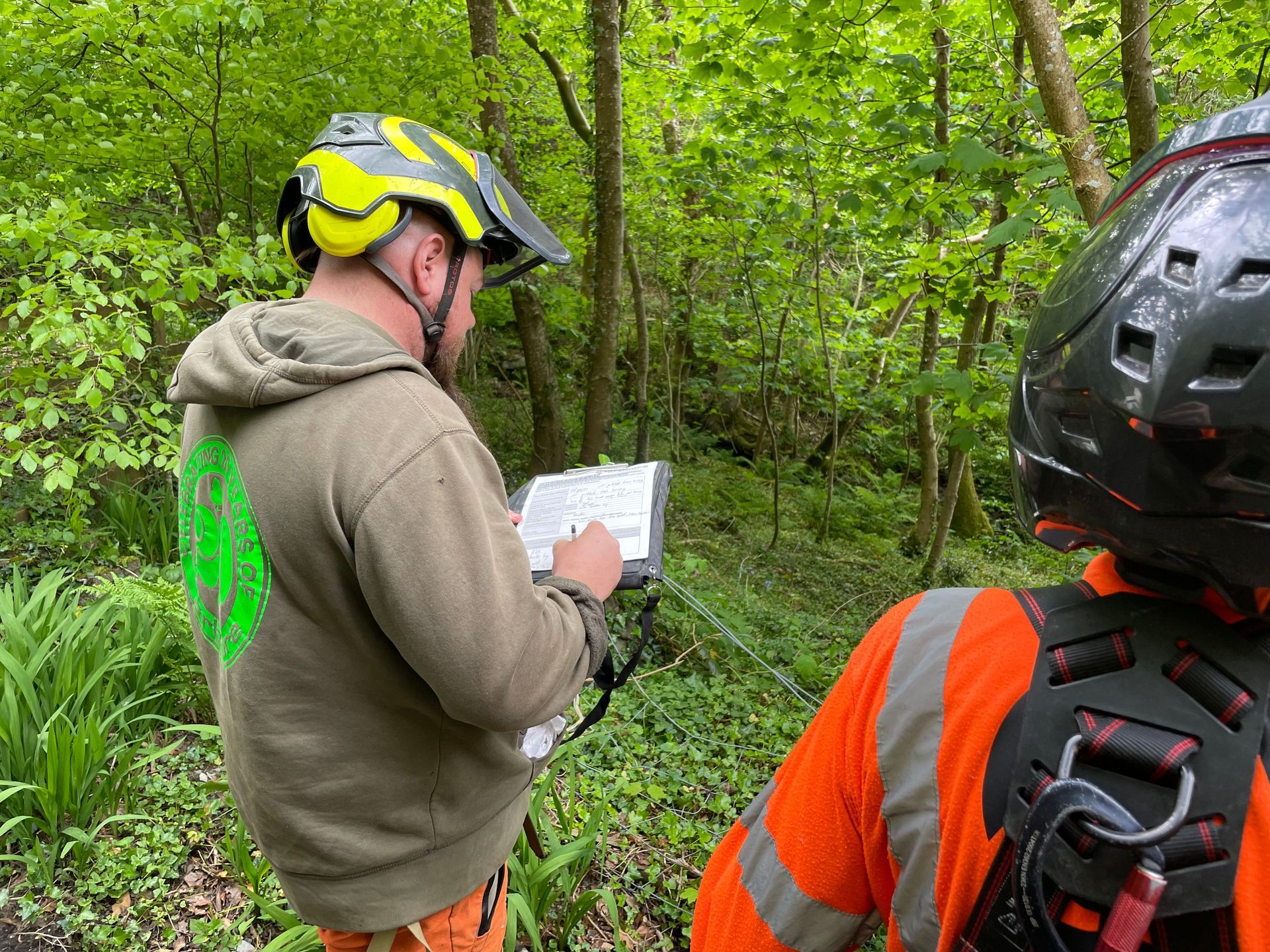
A Full Survey is far more thorough — every tree over a specified height on the site is inspected individually, tagged, and recorded in the report, with a site plan and mapping supplied alongside it. This is the level of detail generally expected for planning-related work, insurance claims, or any situation where the condition of specific, named trees needs to be documented and defensible.
Where BS5837 comes in
Most tree surveys carried out for development purposes in the UK follow British Standard BS5837 (2012) — the standard covering trees in relation to design, demolition, and construction. It exists to help achieve a workable relationship between new or existing structures and the trees around them, and it's what local planning authorities across Ceredigion and the wider Mid Wales area expect to see referenced in any tree-related submission.
A BS5837 survey records, for each tree, its species, height, stem diameter, branch spread in four directions, crown clearance, age class, physiological and structural condition, management requirements, estimated safe useful life expectancy, and a category grading. That level of detail is what allows a Tree Constraints Plan, Tree Protection Plan, or Arboricultural Method Statement to be built on solid ground rather than guesswork.
Trees and planning in Ceredigion
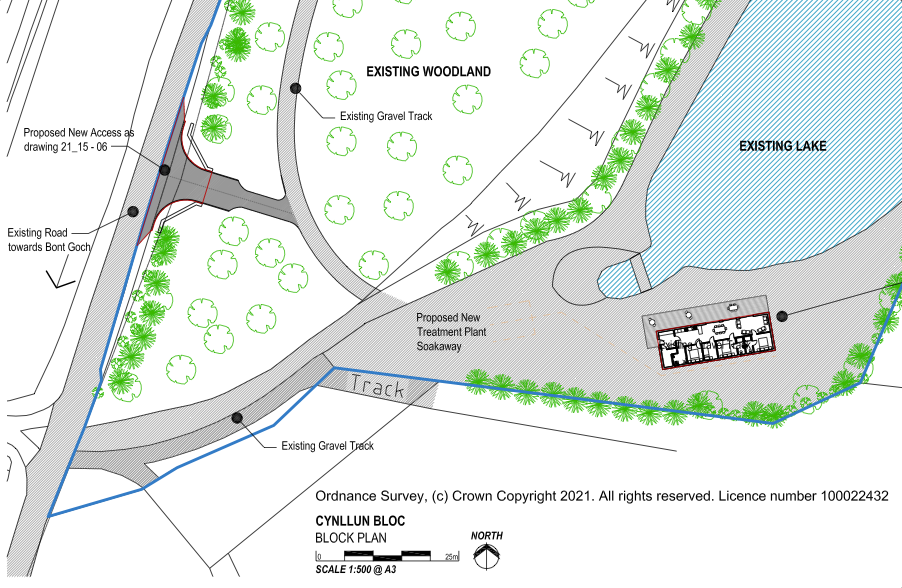
There's an increasing expectation from planning authorities that trees and hedgerows are properly considered and valued as part of any application — not just flagged in passing. That can mean anything from a straightforward safety survey through to a full Arboricultural Impact Assessment, depending on the scale of the site and what's proposed. If a Tree Preservation Order, conservation area, or protected species designation is involved, the requirements usually step up again.
Booking a survey
If you need a tree survey anywhere across Ceredigion, Powys, or Gwynedd — for a planning application, an insurance requirement, or simply peace of mind about a tree near your property — get in touch to arrange a site visit. We'll advise on which level of survey actually fits your situation before any work is booked in.